Women’s Dresses: Where Elegance Turns Into Emotion
Elegance is often described as visual balance, refined lines, and tasteful restraint. But for women’s dresses, elegance doesn’t stop at appearance. At its best, it becomes emotional. A dress can change how a moment feels, how a woman experiences herself, and how others remember her presence.
This is where fashion moves beyond aesthetics and enters psychology—where elegance quietly transforms into emotion.
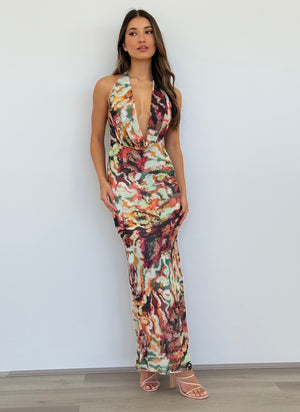
1. Elegance Begins With Intention
An elegant dress is never accidental. It reflects choice, awareness, and clarity.
Intentional design shows up through:
-
Clean silhouettes
-
Thoughtful proportions
-
Balanced details
-
Fabric that moves with purpose
When a woman wears something chosen with intention, she feels grounded. That grounded feeling often translates into calm confidence—an emotional state others can sense immediately.
2. How Dresses Influence Emotional State
What we wear affects how we feel. This isn’t theory; it’s behavioral psychology.
A well-fitted, elegant dress can create:
-
Emotional ease
-
A sense of control
-
Comfort in one’s own presence
-
Quiet self-assurance
When the body feels supported and aligned, the mind relaxes. That relaxation opens space for emotion—joy, warmth, confidence, even nostalgia.
3. Movement Is Where Emotion Appears
Emotion is rarely static. Neither are dresses that feel truly elegant.
As fabric flows, catches light, or responds to movement, the wearer becomes more aware of her body in space. This awareness often softens posture and refines motion. The result is grace—not performed, but felt.
Grace is emotional before it is visual.
4. Familiar Silhouettes Create Emotional Comfort
Many elegant women’s dresses echo timeless shapes: defined waists, flowing skirts, balanced necklines. These silhouettes feel familiar, and familiarity creates emotional safety.
When something feels safe, we relax into it. That relaxation allows emotion to surface naturally rather than being guarded or forced.
This is why timeless elegance often feels more emotional than experimental design.
5. Elegance Encourages Presence
A beautiful dress often brings the wearer into the present moment.
Instead of adjusting, hiding, or second-guessing, she becomes:
-
More aware
-
More engaged
-
More open
Presence deepens emotional experience. When someone is fully present, their expressions, gestures, and interactions feel more genuine—and more memorable.
6. Dresses as Emotional Anchors
Certain dresses become attached to moments:
-
A meaningful evening
-
A personal milestone
-
A celebration or transition
Over time, the dress holds emotional memory. Elegance becomes associated with feeling rather than just appearance. This is why some garments remain meaningful long after trends fade.
Women’s dresses reach their highest form when elegance turns into emotion.
Not loud.
Not dramatic.
But steady, warm, and lasting.
When a dress allows a woman to feel aligned with herself, it becomes more than fashion. It becomes an experience—one that lingers quietly, long after the moment has passed.